What happens beneath the surface matters.

Organizations are shaped by what happens in the room–and by what may be happening underneath it.

Communication can become strained. Trust can feel different. Conflict can keep returning. People may begin to participate less freely.

Still Point Practice looks beneath the presenting problem to understand the relational conditions shaping what people experience, carry, and do next.


WHY STILL POINT PRACTICE

We look beneath what is visible.

What we see tells only part of the story. Many forces remain hidden, yet they continue to shape how people relate, make decisions, and move forward. We focus on both–so organizations can respond with clarity and care.

WHAT CAN WE SEE

strained_communication

Strained communication

Conversations become harder or less open.

Guarded participation

People hold back, speak less freely, or engage less.

recurring_conflict

Recurring conflict

The same tensions resurface without lasting resolution.

tree-above-1

IMPACT WHEN WE KEEP LOOKING ONLY ABOVE THE SURFACE

meetings_effectiveness

Meetings lose effectiveness

More discussions, less progress.

policies_processes

Policies and processes miss the mark

Rules change, but the underlying dynamics continue.

strategies_traction

Strategies don’t gain traction

Good plans don’t hold when relational conditions aren’t seen.

performance_suffers

Performance suffers

The numbers reflect what we don’t see—and the cost continues to grow.

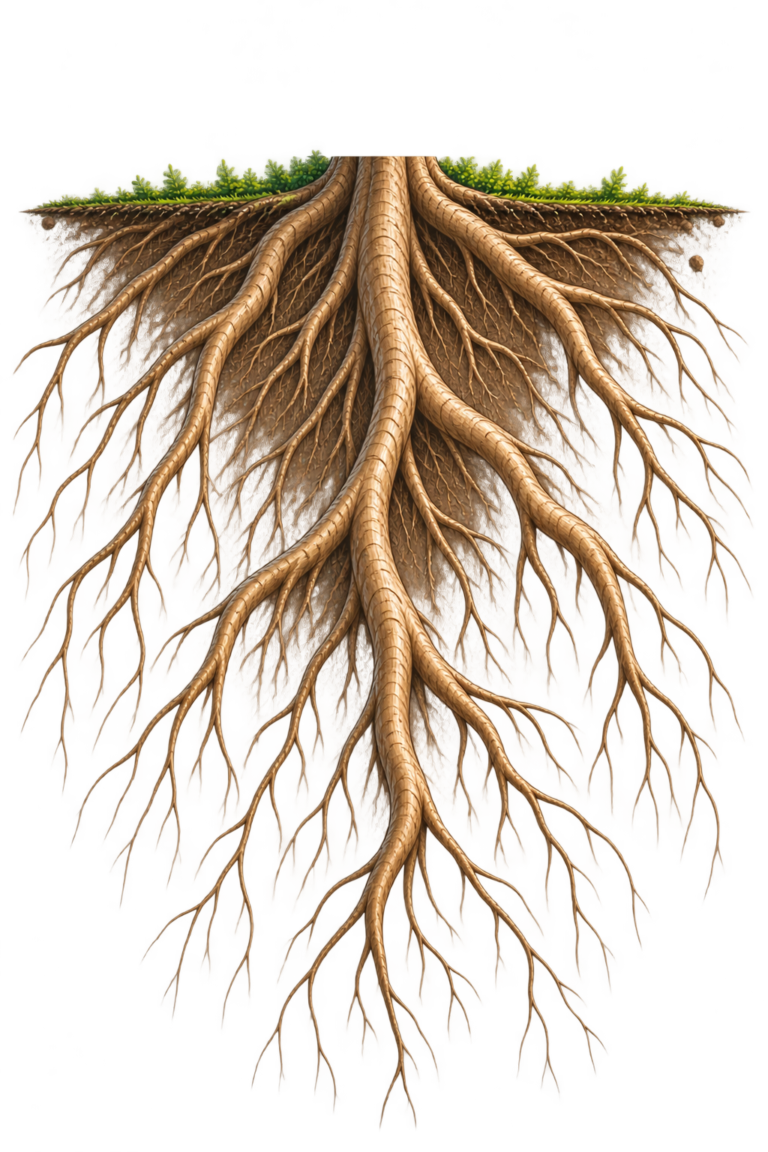
WHAT MAY BE HAPPENING BENEATH

carried_tension

Carried tension & emotional labor

Stress and pressure people continue to hold–the effort to contain what isn’t expressed.

Eroding trust & belonging

Uncertainty about whether it is safe to speak, disagree, or remain connected.

conflict_displacement

Conflict displacement

Tension moves elsewhere rather than being addressed.

relational_history

Relational history

Past experiences that continue to shape how people show up today.

tree-below

The same behavior can mean different things.

Silence

Agreement — or caution?

withdrawal

Withdrawal

Disengagement — or protection?

A push toward resolution

Confidence — or discomfort with uncertainty?

Seeing beneath the surface changes what becomes possible.

Understanding does not remove accountability or erase boundaries.

It helps organizations choose a response that fits what is actually happening.

See more clearly. Respond more wisely.

THE STILL POINT PRACTICE FRAMEWORK

How belonging shapes what happens next.

The Still Point Practice Framework helps leaders see the dynamics beneath the surface–so they can address what matters and strenghen what lasts.

These dynamics are connected. Understanding the full picture changes what becomes possible.

THE BIG PICTURE

BELONGING

Shapes what people are able to say.

CONFLICT

When it cannot be held, it strains relatioships.

relational_strain

RELATIONAL STRAIN

What is carried quietly travels–at a cost.

response

RESPONSE

People and systems adapt in ways that make sense.

REPAIR & CONNECTION

People awarness and skill, different outcomes become possible.

THE BELONGING HEALTH SPECTRUM

01

Belonging changes what people are able to say.

When people feel they belong, they are more likely to speak up, share concerns, and engage honestly. Belonging is not a feeling–it is created by everyday dynamics that either open or close the door.

The Belonging Health Spectrum helps locate the relational conditions in which conflict is occurring.

protective_survival_1

PROTECTIVE SURVIVAL

Safety depends on silence and fitting in. Energy goes to self-protection.

fragmented_belonging_1

FRAGMENTED BELONGING

Connections are inconsistent and unreliable. People feel separate and wary.

quiet_strain

QUIET STRAIN

People manage carefully and stay alert. Tension is contained, not addressed.

functional_not_guarded

FUNCTIONAL BUT GUARDED

People can speak and contribute with caution. Trust us earned slowly.

integrated_belonging

INTEGRATED BELONGING

People can bring their full selves. Differences are welcomed and used well together.

WHAT SUSTAINS BELONGING

Healthy belonging is not accidental.

Belonging does not sustain itself. It depends on the conditions that people experience every day–in how they relate, make decisions, and respond to tension.

Healthy belonging is not the absence of conflict. It is the presence of conditions that made conflict workable.

BELONGING HEALTH
voice

Voice Without Fear

power

Power Used With Integrity

identity

Identity and Human Dignity

conflict_handled

How Conflict Is Handled

leadership_courage

Leadership and Moral Courage

VOICE WITHOUT FEAR

People can speak up and share concerns.

POWER USED WITH INTEGRITY

Power is exercised fairly, transparently, and for the good of the whole.

IDENTITY AND HUMAN DIGNITY

Everyone is treated with respect and able to bring their whole selves.

HOW CONFLICT IS HANDLED

Tension is addressed early and constructively, before it escalates.

LEADERSHIP AND MORAL COURAGE

Leaders act with clarity, humility, and a commitment to what is right–even when it is hard.


Can I tell the truth and still belong?

This question influences how conflict is held, how decisions are made, and how relationships endure.

When belonging is strong, people bring their full selves. When it is not, they protect themselves–and the cost shows up everywhere.

02

CONFLICT RELOCATION

Belonging regulates conflict.

When conflict can be held in the relationship, disagreement can remain in conversation.

When belonging becomes uncertain, conflict may move elsewhere.

CONFLICT ARISES

WHEN IT CANNOT BE HELD

WHEN CONFLICT MOVES, IT MAY SHOW UP AS

Eroding trust

Carried tension

Suppressed expression

Emotional labor

Conflict displacement

Conflict leaves the conversation.
It does not necessarily leave the system.

What looks like resistance, withdrawal, urgency or harmony-seeking may be an attempt to protect something that matters.

People respond to strain in ways that make sense in their context. Every response can have wisdom—and a limit.

03

WHAT IF...?

What if conflict could become a pathway to stronger connection?

Recognition creates the conditions to bring conflict back into conversation–with care, courage and curiosity. From there, new possibilities open up.

WHAT MAY BE CARRIED

Guarded conversations

Carried tension

Emotional labor

Conflict displacement

Eroding trust

WHAT BECOMES POSSIBLE

Open dialogue

Greater trust

Energy for the work

Constructive engagement

Stronger connection


When less energy is spent managing strain, more becomes available for the work.


What might this make possible in your organization?

Every organization carries its own history, relationships and context.

Understanding what is happening is the beginning–not the prescription.