Still Point Practice began with Radar.

Not with a framework, but with questions he had been noticing long before the practice had a name.

Across organizations, classrooms, teams, communities and cultures, he kept returning to the dynamics that shape how people belong, speak, lead, disagree, protect themselves, and remain connected.

Over time, those observations became inquiry. Inquiry became scholarship. And scholarship gave Radar the language, rigor and tools to examine more deeply what he had already spent years noticing in people and systems.

The questions came first.
Still Point Practice gave them a home.

founder-Hero-Radar

Bringing rigorous inquiry, organizational practice,
and a deeply human way of seeing together.

The questions came first.

Long before Still Point Practice had a name, Radar encountered many of the questions that would eventually shape the work.

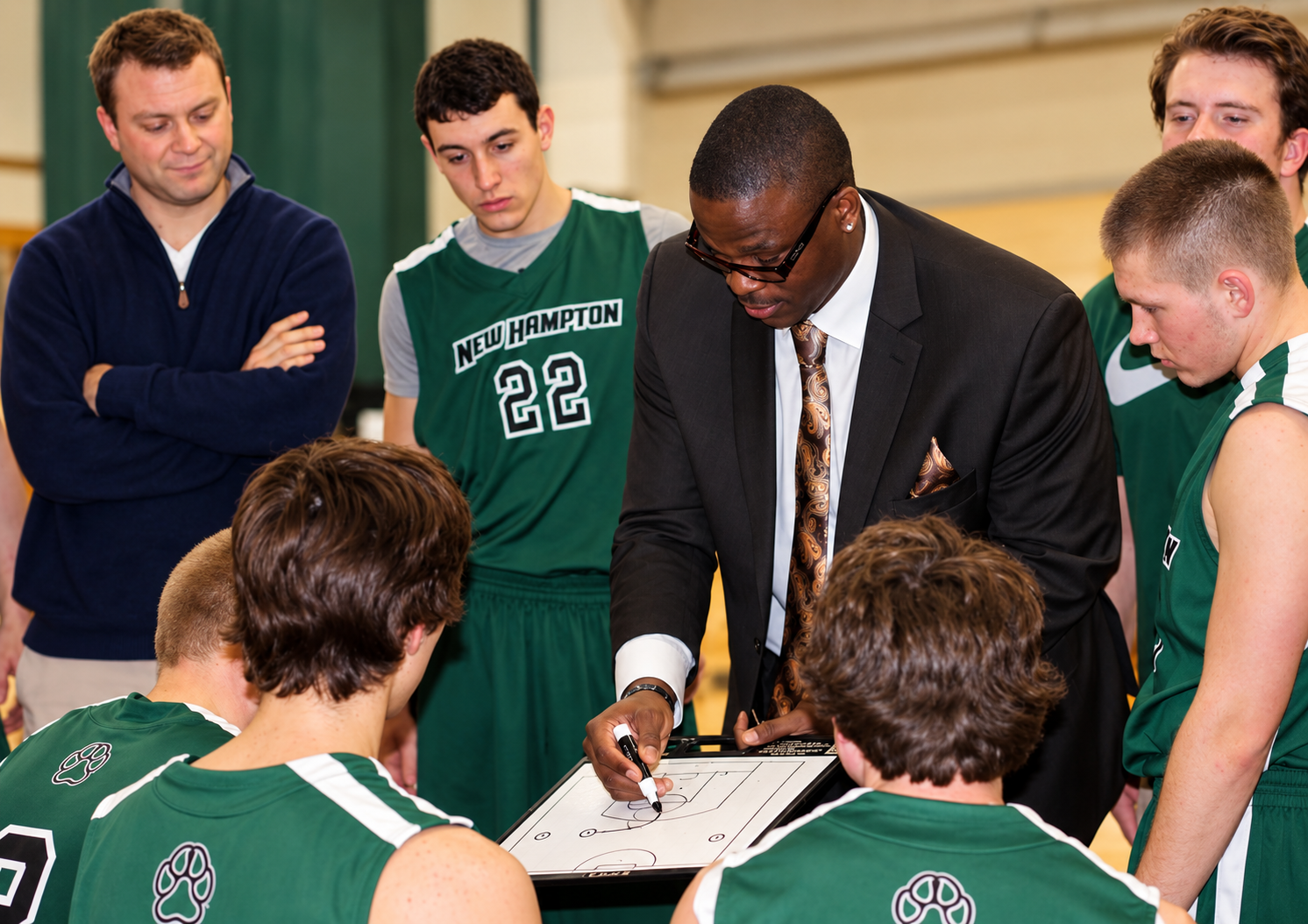
Across countries and cultures. In classrooms and organizations. On basketball courts and from the sidelines as a coach. In communities and family life. As an athlete, educator, practitioner, speaker, mentor, and leader.

The settings changed. Certain questions persisted.
Curious by nature. Attentive to patterns.
Deeply committed to people and possibility.

Before there was a framework,
there was a habit of noticing.

founder-basket-warrior

On the court,
lessons in pressure,
trust and team.

founder-contemplation 3

In life trials, I learned
to slow down &
look inward.

What helps people
feel that they belong?


What makes it safe—
or unsafe—to speak?


What happens when
maintaining harmony
becomes more important
than expressing what is true?


Where does tension go
when it cannot be
addressed directly?

In classrooms,
curiosity met
open minds.

founder-lecturer

Across communities and
organizations, I witnessed both possibility and resistance to it.

founder-coach

Coaching showed me
the power of listening
before leading.

The questions became inquiry.

Curiosity alone was not enough.

Radar brought these questions into rigorous academic study, exploring conflict, public life, and the conditions that shape how people relate, participate, and belong.

Scholarship gave him disciplines for examining what experience alone could not establish: ways to question assumptions, analyze patterns, distinguish observation from evidence, and develop ideas that can be challenged, refined, and tested.

That inquiry has never remained only academic. It has continued through years of education, organizational and community leadership, mentoring, coaching, and work across different communities and cultures.


SELECTED BACKGROUND

Radar Onguetou E.

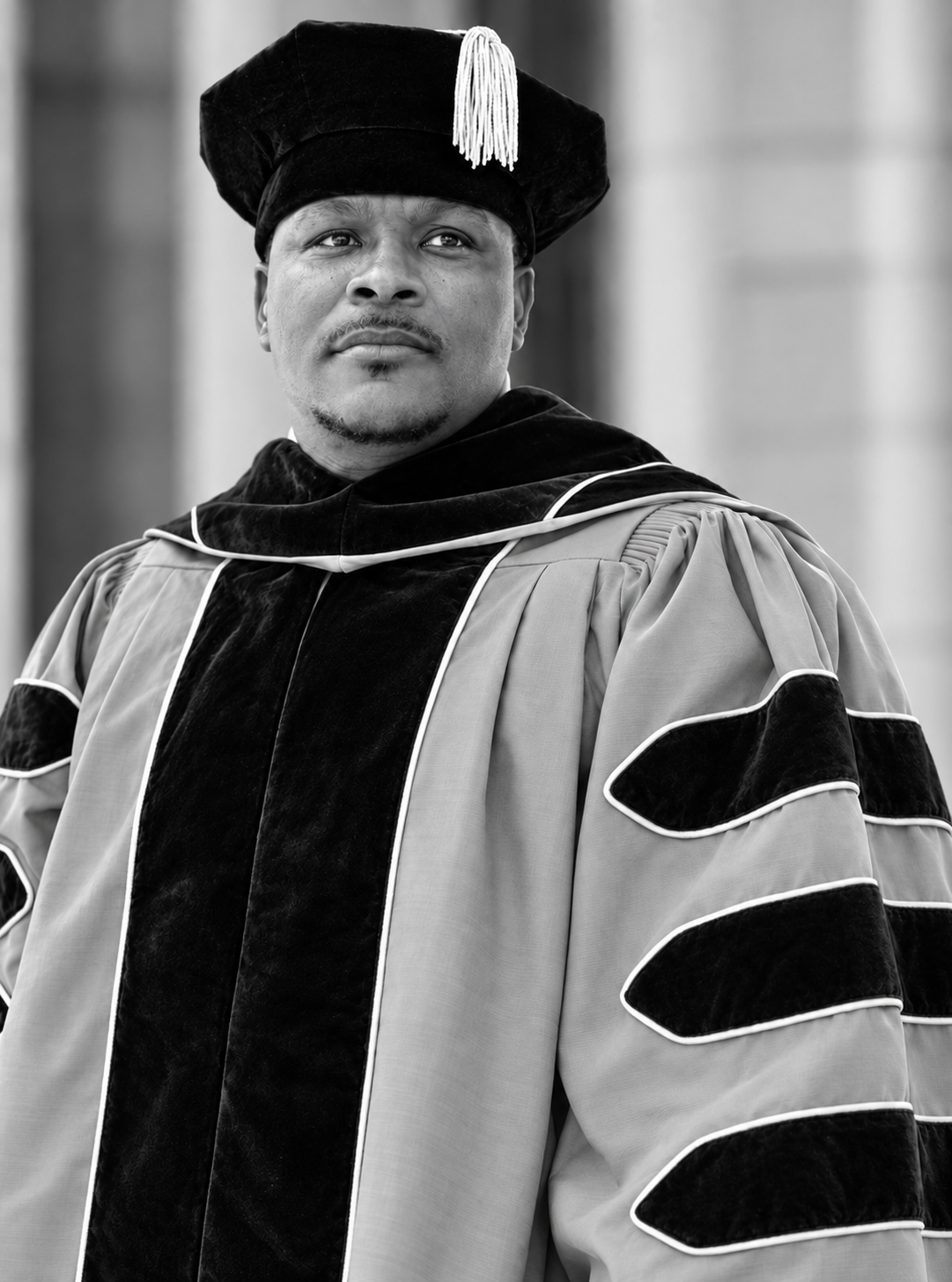
founder-scholar

Director, Community Engagement & Belonging

Ashville School – 2022 – Present 

PhD

Conflict Analysis & Resolution
University of Miami

MPA

Public Administration
University of New Hampshire

BA

Political Science
University of New Hampshire

Educator

Secondary education – 10+ years
Former university lecturer

Author

When the Body Speaks:
Conflict, Illness, and the Quiet Work of Healing

Speaker & Conference Presenter

Across sectors and cultures


Scholarship gave the questions rigor.
Practice kept them grounded in reality. Listening kept them human.


The questions turned inward.

Who am I when I am no longer performing?

Can I belong without becoming less of myself?

Where have I mistaken adaptation for belonging?

What conflict have I been carrying with me?

What have I learned to hide in order to fit in?

What does faith ask of me?

What happens when keeping the peace means withholding what is true?

Who am I here for?

THEN CAME A STROKE.

With his doctoral work behind him, Radar was full of hope and ambition. He imagined taking his research, experience, and global perspective into the international arena — contributing to peacebuilding and conflict resolution across borders and cultures.

Instead, a stroke interrupted the momentum.

What followed was a long and unexpected season of recovery — a time of physical limitations, solitude, and uncertainty. The pace that had defined his life suddenly stopped. In that stillness, questions he had carried for years began to surface — questions that had long remained beneath the demands of moving forward.

THE OBSERVER BECAME PART OF THE INQUIRY.

The questions had changed direction – from the world around him to the world within.

In the quiet of recovery, conflicts he had long explored in the lives of others began to surface within him. Moving between cultures had taught him the art of adapting — and he started to examine more closely the difference between adapting and losing himself, between maintaining harmony and withholding what is true, between meeting expectations and remaining authentic, between being accepted and truly belonging.

Through this season, his faith in God remained a steady source of strength and orientation, helping him navigate uncertainty and listen more deeply – to himself, to others, and to what truly matters.


He recovered fully. But he did not return unchanged.


FROM REFLECTION TO A WIDER PURPOSE

Where the questions found a practice.

Recovery did not bring an end to the questions. It gave them a wider horizon.

Questions that had begun in observation, deepened through scholarship, and turned inward during recovery were now finding new ways to be expressed — and shared.

Writing became one of those ways. In When the Body Speaks, Radar gave voice to a deeply personal exploration of conflict, illness, belonging, and the quiet work of healing.

But the questions did not remain on the page. Across classrooms, workplaces, organizations, and communities, he recognized familiar tensions — between belonging and authenticity, expectations and personal truth, maintaining harmony and addressing conflict.

The questions were personal. The patterns were not.

01. WHERE REFLECTION FOUND ITS VOICE.

A personal journey became words that others could recognize in their own stories.

book-series 3

02. WHERE REFLECTION BECAME A SHARED PRACTICE.

A space to bring inquiry, experience, and listening into the lives and work of others.

SPP birth

WHERE THE PATHS CONVERGED

Still Point Practice grew where those paths met.

Scholarship, practice, lived experience, and a deep sense of faith, reflection, and listening came together in service of others – particularly in the places where ambition, expectations, competing interests, and the need to belong can complicate relationships and make honest conversations difficult.

As a scholar

He brings intellectual rigor and curiosity – examining complexity, questioning assumptions, and resisting easy answers.

As a practitioner

He draws on experience with people and organizations, recognizing that real situations are rarely as tidy as theory – and that solutions must fit the people and the context.

As a listener

He makes room for what is said, what remains unspoken, and the histories and relationships that shape what is possible.


Methods shape how the work is done.
Convictions shape how people are regarded within it.


Grounded in conviction

Dignity

Responsibility

Community

Belief

Service

Truth

Connections

& Values

A GUIDING PRINCIPLE

Understanding comes before intervention.

Not because action does not matter, but because the right action depends on understanding what is actually happening.

People and organizations rarely arrive as neatly defined problems. Context matters. History matters. Relationships matter. What is visible may be only part of what is shaping the situation.

See
clearly.

Understand
deeply.

Respond
wisely.

FROM HIS QUESTIONS TO YOURS

Perhaps there is something in your workplace, your team, or your organization that deserves a closer look. A tension that keeps returning. A conversation that has been avoided. Or a sense that something important is happening beneath the surface, even if it is difficult to name.

You do not need to arrive with a clear diagnosis, a complete plan, or all the right words. Sometimes, the first meaningful step is simply to make room for a different kind of conversation – one where questions can be explored with honesty, curiosity, and care.

The questions began with one person.
The conversation does not have to end there.